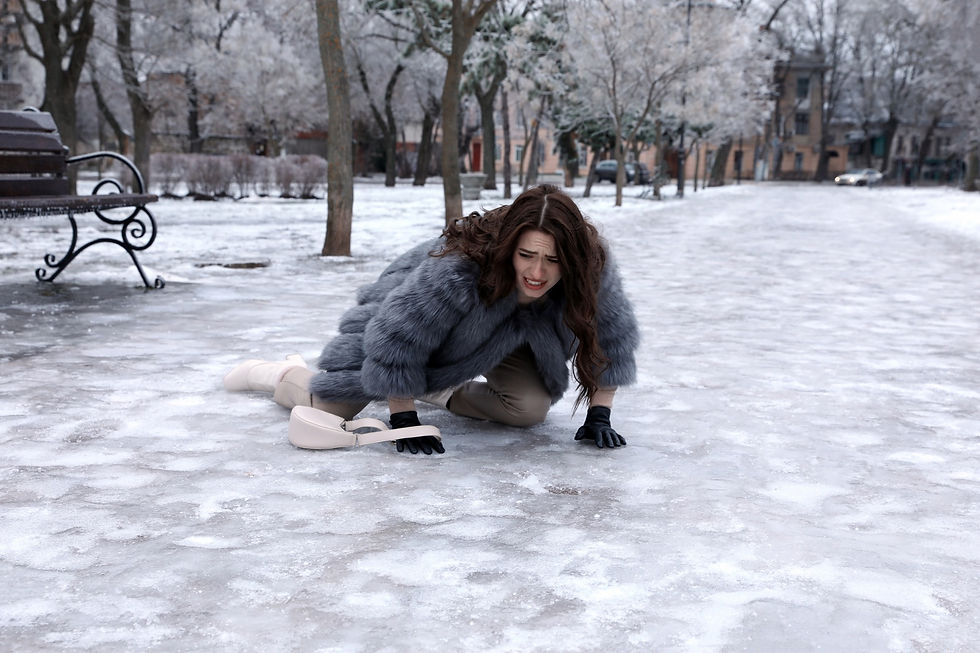
Understanding Homeowner Liability for Slip and Fall Injuries in Ontario

Slip and fall accidents can happen in everyday residential settings, from icy driveways to uneven walkways. In Ontario, homeowners may be held legally responsible when unsafe property conditions cause injury. Understanding how homeowner liability works is essential for both property owners and injured individuals seeking compensation.
This area of law falls under residential premises liability in Ontario, which is governed by the Occupiers’ Liability Act. Whether you are a guest, delivery driver, or contractor visiting a home, the property owner has legal duties that must be upheld.
The Basics of Residential Liability in Slip and Fall Incidents
Homeowner liability in slip and fall claims in Ontario is based on the concept of “occupiers’ liability.” An occupier is anyone who has control over a property, including homeowners. Under the Occupiers’ Liability Act, occupiers must take reasonable care to ensure that people entering their property are reasonably safe.
This does not mean that homeowners are automatically responsible for every accident. Instead, liability depends on whether the homeowner acted reasonably in maintaining safe conditions. Courts assess whether hazards were foreseeable and whether appropriate steps were taken to prevent harm.
Common Hazards That Lead to Liability
Residential slip and fall cases often arise from preventable hazards, including:
ice and snow accumulation on driveways or walkways
uneven steps or cracked pathways
poor lighting around entrances or stairs
loose handrails or damaged flooring
failure to perform routine maintenance
If a homeowner fails to address these issues within a reasonable time, they may be considered negligent. However, each case is highly fact-specific and depends on the circumstances surrounding the incident.
What Must an Injured Person Prove?
To succeed in a claim for residential premises liability in Ontario, an injured person must establish several key elements:
Duty of care: The homeowner owed a legal duty to keep the property reasonably safe
Breach of duty: The homeowner failed to meet this standard of care
Causation: The unsafe condition directly caused the injury
Damages: The injured party suffered measurable losses, such as medical costs or lost income
Importantly, courts require clear evidence of negligence. It is not enough to show that a fall occurred. The injured person must identify the specific hazard and demonstrate how the homeowner’s actions or inaction contributed to the incident.
Liability for Ice-related Falls
Ontario courts have repeatedly addressed slip and fall claims involving winter hazards.
In Waldick v. Malcolm (1991), the Supreme Court of Canada held that a homeowner could be liable for failing to salt an icy driveway, even in a rural area where salting was not common practice. The Court highlighted that occupiers are expected to take reasonable measures to address risks that could be anticipated, regardless of common local practices.
More recently, in Bainbridge v. 1392396 Ontario Limited (2024 ONSC 6990), the court found property owners liable after a tenant slipped on an icy staircase that had not been properly cleared. The evidence showed that the hazard was preventable and that the occupiers failed to meet their duty of care.
These cases highlight that liability often turns on whether the hazard was foreseeable and whether reasonable maintenance steps were taken.
Can Responsibility Be Shared?
In some cases, liability is shared between parties. Ontario follows the principle of contributory negligence, meaning the injured person’s actions may also be considered.
For example, if someone was not paying attention, wore improper footwear, or ignored visible hazards, the court may reduce the amount of compensation awarded. In certain cases, plaintiffs have even been found partially responsible for their own injuries.
How Homeowners Can Reduce Risk
Homeowners can take practical steps to minimize the risk of slip and fall claims:
Clear snow and ice promptly during winter months
Apply salt or sand to slippery surfaces
Repair damaged steps, railings, or walkways
Ensure adequate outdoor lighting
Conduct regular property inspections
Maintaining a reasonably safe property not only protects visitors but also reduces legal exposure.
When to Speak with a Personal Injury Lawyer in Ontario
Slip and fall claims can be complex, particularly when determining fault under the Occupiers’ Liability Act. If you have been injured due to unsafe residential conditions, consulting a personal injury lawyer in Ontario can help you understand your rights and assess the strength of your claim.
Legal professionals can gather evidence, evaluate liability, and guide you through the claims process to seek appropriate compensation.
Protecting Yourself under Ontario Premises Liability Law
Homeowners in Ontario have a legal responsibility to maintain reasonably safe conditions on their property and may be held accountable when negligence leads to preventable hazards. Understanding homeowner liability slip and fall Ontario claims is important for both property owners and injured individuals, as recognizing common risks and legal obligations can help create safer environments for everyone.
If you or a loved one has been injured in a slip and fall on residential property, it is important to understand your legal rights. The team at Littlejohn Barristers has extensive experience handling homeowner liability slip and fall Ontario cases. We can assess your situation, gather evidence, and help you pursue fair compensation.
Contact us today for a consultation to discuss your case and learn how we can support your recovery.