
Understanding Liability in Ontario Pedestrian Crosswalk Accidents
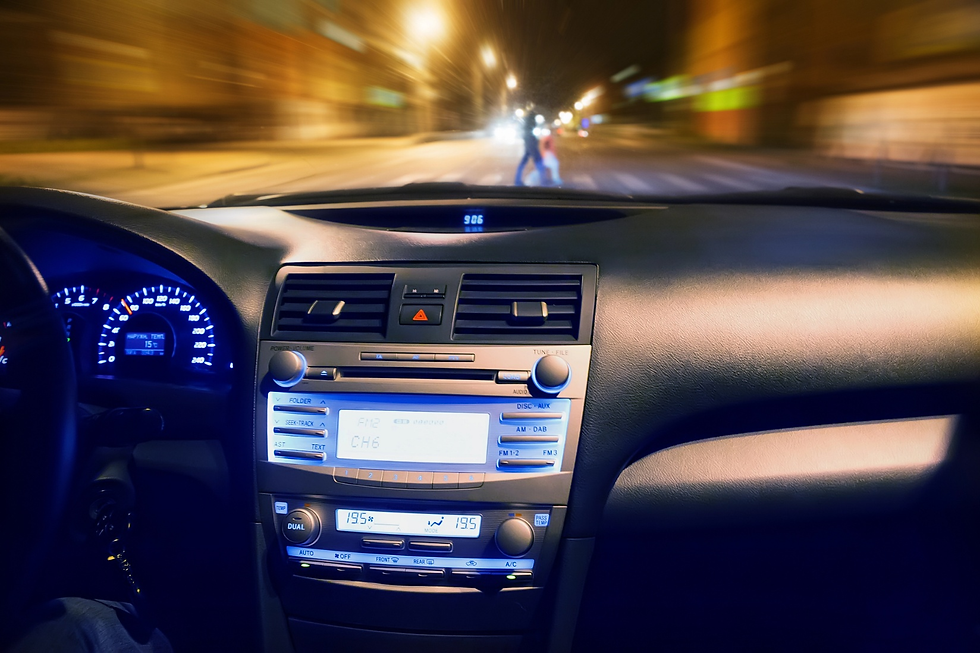
Pedestrian crosswalk accidents can have serious and lasting consequences, often leaving injured individuals with questions about fault and compensation. In Ontario, determining liability in a crosswalk accident is not always straightforward, even when a pedestrian appears to have the right of way. A clear understanding of how liability is evaluated can help injured individuals make informed decisions and seek proper legal guidance.
If you have been injured, speaking with a pedestrian injury lawyer Ontario residents rely on, can help clarify your legal rights and next steps.
Ontario Law and the Duty to Yield
Under Ontario’s Highway Traffic Act, drivers have a legal obligation to yield to pedestrians at marked crosswalks and intersections. Drivers must stop and remain immobile until a pedestrian has safely crossed the roadway at a pedestrian crossover.
This means that in many crosswalk situations, the law strongly favours pedestrian safety. However, liability is not automatic and depends on the specific circumstances of the accident.
The Reverse Onus Rule: Why Drivers Are Often Presumed at Fault
One of the most important legal principles in Ontario pedestrian accident claims is known as reverse onus. This rule shifts the burden of proof onto the driver.
In most motor vehicle cases, the injured party must prove negligence. However, when a pedestrian is struck by a vehicle, the driver is generally presumed to be at fault and must prove they acted reasonably to avoid the collision.
This legal framework recognizes that pedestrians are vulnerable road users and places a higher level of responsibility on drivers.
When the Pedestrian May Share Liability
Although drivers are often presumed liable, fault is not always one-sided. Ontario law allows for contributory negligence, meaning liability can be shared between the driver and the pedestrian.
A pedestrian may be found partially responsible if they:
enter the crosswalk suddenly or without ensuring it is safe
disobey traffic signals
cross outside a designated area or while distracted
ignore oncoming traffic in unsafe conditions
Even in these situations, injured pedestrians may still be entitled to compensation, although the amount may be reduced based on their level of fault.
When Driver Conduct Leads to Legal Fault
In many crosswalk cases, driver negligence is a key factor. Common examples include:
failing to yield at a crosswalk
distracted driving, such as texting
speeding or aggressive driving
impaired driving
When a driver breaches their duty of care and causes harm, they can be held liable for the resulting injuries.
What the Courts Say about Crosswalk Accidents
A useful example is Morris v. Prince, 2023 ONSC 3922, where a pedestrian crossing at night was struck by a driver turning left. The Ontario Superior Court found the driver 100% responsible for the accident. While the driver argued that the city was liable because a missing median pole caused poor lighting, the court dismissed this claim. The judge ruled that ambient illumination was sufficient and that the driver failed his statutory duty of care by not ensuring the turn could be made safely.
This case illustrates how courts prioritize driver responsibility when pedestrians are lawfully crossing, emphasizing that motorists must adjust to conditions rather than blame external factors.
Why Fault Isn’t Always Clear-cut
Even with clear legal rules, determining liability often requires a detailed review of:
traffic signals and right of way
surveillance or dashcam footage
road and weather conditions
actions of both parties
Right of way alone does not guarantee immunity from liability. Courts assess whether each party acted reasonably in the moment.
How a Pedestrian Injury Lawyer in Ontario Can Help
Given the complexity of crosswalk accident claims, working with a legal professional can be essential. A pedestrian injury lawyer Ontario residents trust can:
investigate the accident and gather evidence
establish liability and defend against contributory negligence claims
negotiate with insurance companies
seek compensation for medical bills, lost wages, and pain and suffering
For more information about legal support, you can visit our pedestrian accident claim page.
A Clearer View of Your Legal Standing
In Ontario, liability in a pedestrian crosswalk accident often starts with a presumption that the driver is at fault. However, each case depends on its unique facts, and liability may be shared if a pedestrian contributed to the accident.
Understanding your rights and responsibilities is the first step toward protecting your interests. If you or a loved one has been injured, seeking legal guidance can help you navigate the claims process with confidence and clarity. Contact Littlejohn Barristers today to discuss your case and explore your legal options.


